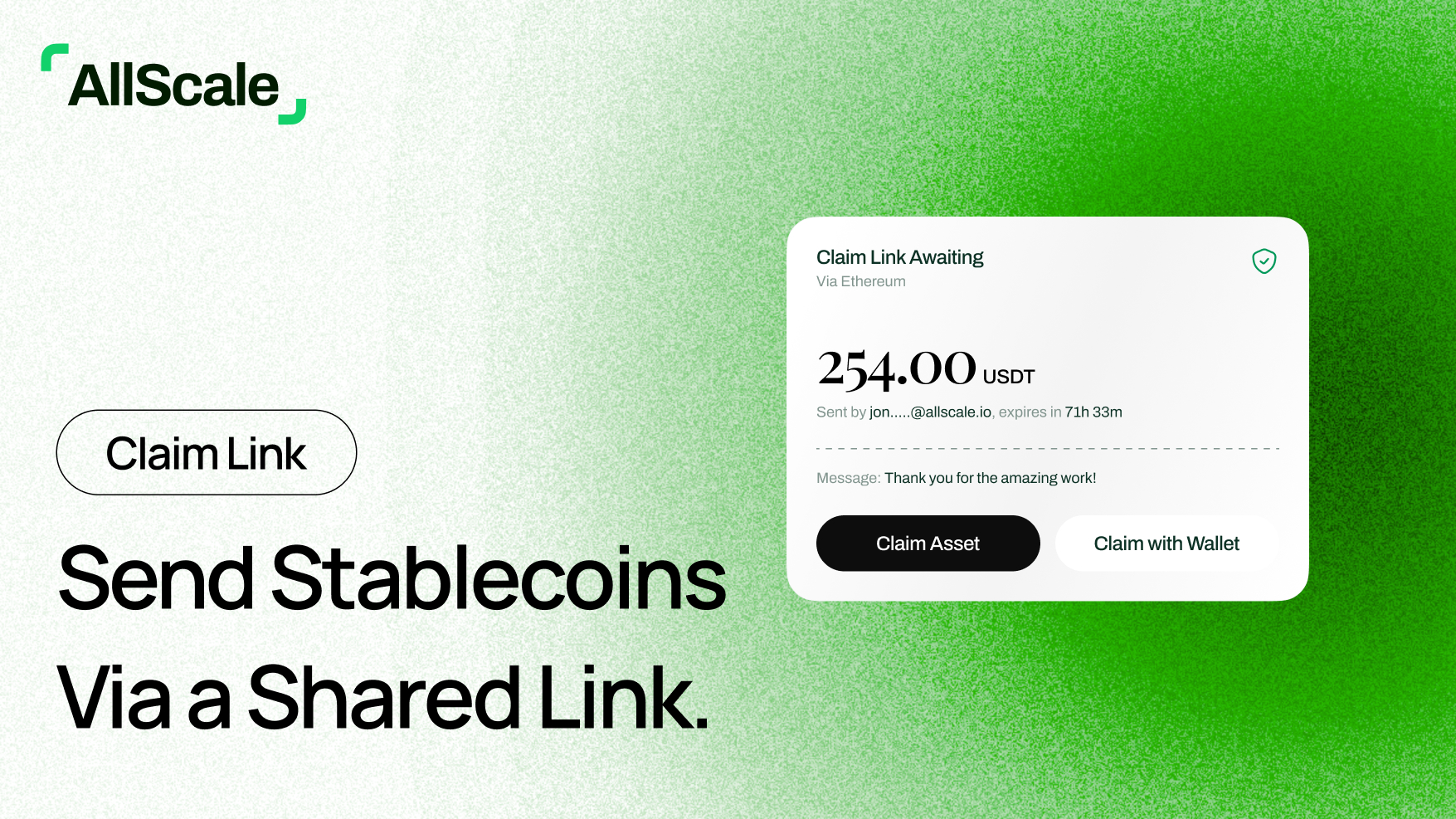
Create, send, and manage invoices with the best crypto invoice generator in 2026. Accept stablecoin payments like USDC & USDT, automate billing, and streamline global payments with faster, low-fee transactions—plus a risk-free 100-night trial mindset for smarter billing.
Before exploring specific payment features, this AllScale Pay introduction highlights how modern businesses are optimizing their billing operations. As digital finance moves faster, businesses need payment tools that are both secure and easy to use. A crypto invoice generator lets you build, send, and track invoices that accept stablecoins so customers can pay quickly and predictably. Below we explain how stablecoin invoicing works, how to set it up, and why startups and SMEs are adopting it. Used well, these tools cut friction, speed cash flow, and make payments simpler for your customers.
The sections that follow cover setup, automation, compliance, and integrations. We also show practical ways to use the AllScale crypto invoice generator so your team extracts maximum value from stablecoin billing.
Understanding stablecoin invoicing
Stablecoin invoicing means issuing bills customers can pay with stablecoins — cryptocurrencies pegged to a fiat currency or other stable asset. Unlike volatile cryptocurrencies, stablecoins preserve value, speed up settlement, and can reduce fees. For businesses, that means clearer pricing, faster receivables, and fewer surprises at payout.
The biggest practical advantage is cross-border simplicity: stablecoins cut the need for currency conversion and protect you from exchange‑rate swings. That makes them especially useful for startups and SMEs selling internationally. Because transactions are recorded on‑chain, you also get an auditable trail that improves transparency and security.
Industry data from this stablecoin invoicing guide highlights a massive shift in how global B2B transactions are handled. Recent research shows how stablecoins are reshaping cross‑border payments and settlement timelines.
Setting up your system
To start with a crypto invoice generator, assemble a secure, reliable setup. Key steps include:
- Creating an Account: Register with a crypto payment provider that supports stablecoins. Be prepared to provide basic business details and complete identity checks.
- Setting Up a Secure Wallet: Choose a wallet that protects funds with strong encryption and two‑factor authentication. This wallet will receive stablecoin payments.
- Integrating Payment Gateways: Connect your invoicing tool to gateways that process stablecoin transactions so customers can pay directly from the invoice.
These steps create a solid foundation for secure, efficient crypto invoicing and a smoother transition to digital currency billing.
Creating and managing invoices
With your system in place, create and manage invoices in a few straightforward steps:
- Steps to Create an Invoice: Use the crypto invoice generator to enter recipient details, amounts, and payment terms. Clearly state that stablecoins are accepted and include payment addresses or QR codes.
- Customization Options: Apply your branding, add logos, and format payment instructions so invoices look professional and are easy to follow.
- Sending Invoices: Deliver invoices by email or through your platform and include clear next steps so customers can complete payments without friction.
Good invoice management also includes tracking receipts and following up on unpaid items. Automation can handle much of this work.
Automation and tracking
Automation reduces manual work and keeps billing consistent. Useful automation features to consider include:
- Automating Invoice Issuance: Trigger invoice creation and delivery on schedules or events, such as recurring subscriptions or completed milestones.
- Real‑Time Tracking Features: Get live status updates so you see when invoices are paid and when reminders should go out.
- Benefits of Automation: Automation speeds operations, cuts human error, and frees your team to focus on growth instead of chasing payments.
Use automation to keep billing predictable and efficient while cutting administrative overhead.
Compliance and security measures
Compliance and security are essential for crypto billing. Important practices include:
- Regulatory Compliance: Follow local and international rules for crypto transactions — this commonly involves tax reporting and identity checks.
- Security Measures: Protect systems with encryption, strict access controls, and regular updates to reduce breach risk.
- Importance of Digital Signatures: Use digital signatures to verify invoice authenticity and preserve transaction integrity.
Prioritizing these controls builds trust and lowers legal and operational risk.
Integration with existing systems
To get full value from crypto invoicing, connect it to your tech stack. Consider these integrations:
- Connecting to Accounting Software: Sync invoices with accounting tools so records update automatically and reconciliation is simpler.
- Payroll Integration: If you’ll pay staff or contractors in stablecoins, link payroll systems to your invoicing and wallet setup for seamless transfers. See AllScale’s payroll solutions for more details.
- Benefits of Integration: Tight integrations save time, reduce errors, and create a cleaner financial workflow across the business.
Well‑integrated systems speed reporting and make financial operations less fragmented.
Training and support
Ensure your team knows how to use the invoicing system. Focus on:
- Team Training Importance: Run hands‑on sessions that cover core features and best practices for issuing and tracking crypto invoices.
- Support Resources Available: Provide clear documentation, FAQs, and responsive support channels so users can resolve issues quickly.
- Utilizing Documentation: Encourage staff to reference guides and release notes to stay current with new features and security patches.
Investing in training reduces mistakes and speeds adoption across your organization.
Monitoring and continuous improvement
Regular monitoring helps you spot friction and refine your billing flow. Try these tactics:
- Conducting Regular Audits: Periodically review billing processes to find inefficiencies or compliance gaps.
- Feedback Loops: Collect input from customers and internal users to identify pain points and prioritize fixes.
- Continuous Improvement Strategies: Iterate on workflows and add tools only when they clearly improve speed, accuracy, or the customer experience.
Ongoing review keeps your invoicing aligned with business needs and industry standards.
What is a crypto invoice generator and how does it support stablecoin payments?
A crypto invoice generator is a tool that creates invoices payable with cryptocurrencies — most commonly stablecoins. It automates invoice creation, payment tracking, and gateway integration so accepting digital currency is straightforward. Stablecoin payments offer predictable value, faster settlement, and often lower friction compared with traditional crypto or bank transfers.
Using a crypto invoice generator simplifies billing, improves the payment experience, and positions your business to benefit from growing crypto adoption.
While evaluating infrastructure options and AllScale pricing, merchants must consider the broader industry challenges that impact digital asset merchant adoption. Wider stablecoin adoption in commerce will still depend on better interoperability and improved user experience.
How to use the AllScale crypto invoice generator for efficient billing
AllScale’s crypto invoice generator can streamline billing in three practical steps:
- Setup Steps: Create an AllScale account and connect a secure wallet to accept stablecoin payments.
- Features of AllScale: Use customizable templates, automated reminders, and live invoice tracking to keep billing organized.
- Best Practices: Train your team, standardize templates, and review settings regularly to ensure smooth operations.
Used consistently, AllScale can shorten payment cycles and reduce manual reconciliation work.
Step‑by‑step guide to creating and sending crypto invoices
Follow these steps to create and send crypto invoices with AllScale:
- Creating an Account: Register on AllScale and complete verification.
- Setting Up a Wallet: Connect a secure wallet to the platform for receiving stablecoin payments.
- Generating Invoices: Enter recipient details, amounts, and terms into the generator and attach any supporting documents.
- Sending Invoices: Send invoices by email or via the AllScale dashboard and include clear payment instructions.
This flow helps you collect payments faster and keep records accurate.
Real‑time payment tracking and invoice status management
Real‑time tracking is essential for modern billing. Here’s what to expect:
- Tracking Mechanisms: AllScale updates invoice status as payments clear, so you always know what’s paid and what’s outstanding.
- Status Updates: See clear indicators for each invoice — paid, pending, or overdue — and trigger reminders as needed.
- Integration with Payment Systems: AllScale connects with common payment systems so stablecoin transactions flow into your accounting and reporting tools.
These features help you manage cash flow proactively and reduce late payments.
What are the benefits of using stablecoin payment solutions for SMEs and startups?
Stablecoin payments deliver several practical advantages for smaller businesses:
- Cost Savings: Lower transaction and conversion fees can reduce overall payment costs.
- Transaction Speed: Faster settlements improve cash flow and free up working capital.
- Security Features: Blockchain records and irreversible confirmations reduce fraud and chargeback risk.
For startups and SMEs, these benefits can mean healthier margins and simpler international sales.
Advantages of multi‑currency stablecoin support in crypto invoicing
Accepting multiple stablecoins gives you flexibility and a wider customer reach. Benefits include:
- Global Reach: Let customers pay in the stablecoin they prefer, simplifying cross‑border sales.
- Lower Transaction Fees: Avoid some conversion fees by settling in a stablecoin that matches your needs.
- Faster Settlement Times: Multiple rails can speed final settlement and improve cash flow predictability.
Supporting several stablecoins helps meet customer preferences and reduces payment friction.
How crypto invoicing enhances transparency and security in payments
Crypto invoicing improves transparency and security in several ways:
- Blockchain Transparency: On‑chain records create an immutable ledger that improves traceability and trust.
- Immediate Settlement Confirmation: Fast confirmations cut reconciliation time.
- Elimination of Chargeback Risk: Confirmed stablecoin transfers are irreversible, reducing chargeback exposure.
These features make invoicing more reliable and simplify audits and dispute resolution.
How to integrate crypto invoicing with payroll and checkout services
Linking invoicing with payroll and checkout systems streamlines money movement across your business. Start with:
- Payment Gateway Selection: Choose gateways that support stablecoins and integrate with your invoicing platform.
- Secure Wallet Setup: Configure wallets to handle payroll and invoicing flows securely.
- Compliance Tools: Add compliance checks to ensure payroll and payments meet regulatory requirements.
When these parts work together, payroll, merchant checkout, and invoicing form a cohesive, low‑friction system.
Linking crypto invoice generator with payroll solutions for seamless payments
To use stablecoins for payroll and contractor payments, follow these steps:
- Integration Steps: Connect your invoicing platform to payroll software to automate payouts and bookkeeping.
- Benefits of Linking: Expect faster disbursements, clearer cash‑flow visibility, and less manual reconciliation.
- Examples of Payroll Systems: Pick providers that support crypto rails or offer flexible APIs for integration.
This setup reduces administrative effort while ensuring timely payments to staff and contractors.
Using checkout solutions to streamline cryptocurrency payment gateways
Make crypto checkout smooth with these practical steps:
- Setup a Secure Wallet: Ensure your wallet supports the stablecoins you accept and follows security best practices.
- Choose a Payment Gateway: Pick a gateway that handles stablecoin payments and integrates with your checkout.
- Integrate AllScale Checkout: Use AllScale’s checkout solutions to simplify payments and improve the buyer experience.
Thoughtful checkout integration reduces friction and can increase conversion rates.
What are the compliance and legal considerations in crypto invoicing?
Legal and regulatory obligations are central to running crypto invoicing responsibly. Key concerns include:
- Regulatory Requirements: Stay current with rules in each market you operate in, from KYC/AML to reporting obligations.
- Tax Implications: Track stablecoin transactions accurately — tax treatment varies by jurisdiction and may require detailed records.
- Best Practices for Legal Adherence: Keep thorough documentation, record invoice numbers and terms, and consult legal or tax advisors when necessary.
Careful compliance minimizes risk and supports sustainable growth.
Are crypto invoices legally valid and compliant with regulations?
Yes — crypto invoices can be legally valid if they meet your jurisdiction’s invoicing rules. To ensure compliance:
- Legal Validity: Include required details like invoice numbers, dates, amounts, and payment terms just as you would for fiat invoices.
- Compliance Requirements: Stay informed about local regulations and adapt processes accordingly.
- Regulatory Frameworks: Understand how crypto transactions are classified and reported where you operate.
Following these steps helps you issue compliant crypto invoices with confidence.
Ensuring compliance status and security in blockchain billing systems
Protecting data and staying compliant requires a mix of policy and technology. Key actions include:
- Regulatory Compliance: Regularly audit processes against current laws and industry standards.
- Digital Invoice Signing: Use digital signatures to confirm invoice authenticity and guard against tampering.
- Transaction Tracking: Maintain clear logs and on‑chain records that support audits and reporting.
These measures keep your billing secure and defensible under scrutiny.
What are common questions about crypto invoice generators and their solutions?
How to create a crypto invoice: FAQs and best practices
Creating a clear, secure crypto invoice follows a few straightforward rules. Keep these tips in mind:
- Steps to Create an Invoice: Use a trusted crypto invoice generator to enter recipient details, amounts, and terms. Add payment addresses or QR codes to simplify payment.
- Educating Customers: Provide step‑by‑step payment instructions so customers know how to complete a stablecoin transfer without confusion.
- Secure Transactions: Protect invoices and wallets with encryption, two‑factor authentication, and routine security checks.
Following these best practices reduces errors and improves the payment experience.
What fees are associated with crypto invoice payments?
Be aware of fees tied to crypto invoices so you can price and plan appropriately:
- Transaction Fees: Payment platforms typically charge a processing fee per transaction; rates vary by provider.
- Network Fees: Blockchain networks may charge small fees to validators to process transfers.
- Comparison with Traditional Fees: Crypto fees are often lower than legacy payment and cross‑border banking costs, but compare providers carefully.
Knowing the fee structure helps you choose the most cost‑effective setup.
Frequently asked questions
What types of stablecoins can be used for invoicing?
Most businesses accept stablecoins pegged to major fiat currencies — for example, Tether (USDT), USD Coin (USDC), and DAI. Each has trade‑offs in liquidity, fees, and decentralization. Choose stablecoins that fit your geography, customer base, and accounting needs to make payments convenient for both sides.
How can businesses ensure the security of their crypto invoices?
For businesses navigating digital commerce, knowing how to secure stablecoin invoices is critical to protecting company assets from bad actors. Secure invoices by using encrypted wallets, enforcing two‑factor authentication, and keeping software up to date. Digital signatures add another authentication layer. Regular security audits and staff training on phishing and safe handling of private keys further reduce risk.
What are the tax implications of using stablecoins for invoicing?
Tax rules vary by country. In many jurisdictions you must record stablecoin transactions like fiat — documenting date, amount, and purpose. If a stablecoin’s value changes between receipt and conversion, capital gains rules may apply. Work with a tax advisor experienced in crypto to stay compliant.
Can crypto invoices be integrated with existing accounting software?
Yes. Many crypto invoice generators offer connectors or APIs that sync with popular accounting packages. This removes manual entry and streamlines reconciliation. Verify compatibility before selecting a solution so your financial records stay accurate.
What should businesses do if a customer has trouble paying with stablecoins?
If a customer struggles, provide clear payment steps, screenshots, or a short how‑to guide. Offer live support via chat or email and consider temporary alternative payment options to avoid losing the sale. A well‑written FAQ can prevent many common issues. See AllScale’s FAQ for more guidance.
How can businesses track payments made with stablecoins?
Use real‑time tracking in your invoice generator to see when payments are broadcast and confirmed on‑chain. Integrating this data with accounting software ensures payments are recorded correctly and makes reconciliation straightforward.
What are the benefits of using automated reminders for crypto invoices?
Automated reminders reduce late payments and cut time spent on collections. They keep customers informed of upcoming due dates or overdue invoices and can be customized for tone and timing to preserve client relationships while improving cash flow.