

Welcome to the future of digital finance, where stablecoins are revolutionizing how we handle global payments. These digital currencies are designed to keep their value steady by linking them to traditional currencies or commodities. To better understand how modern businesses leverage digital asset infrastructure, it is helpful to look at an AllScale Pay introduction and how it integrates into the broader ecosystem. In this article, we'll dive into how stablecoins make real-time settlements possible, their strategies for maintaining price stability, and the incredible advantages they bring to small and medium enterprises (SMEs) and decentralized autonomous organizations (DAOs). As businesses look for smarter payment solutions, understanding how stablecoins cut down on transaction delays and volatility risks is crucial. We'll also explore how platforms like AllScale are integrating stablecoin invoicing and payroll solutions to enhance user payment experiences.
Recent research further examines stablecoins as a vital link between traditional finance and the rapidly growing digital commerce world.
What Are Stablecoins and How Do They Enable Instant Global Payments?
In today's digital economy, achieving efficient global settlement remains a top priority for international organizations. Stablecoins are a type of cryptocurrency crafted to minimize price swings by anchoring their value to a stable asset, like a fiat currency or a commodity. This setup allows stablecoins to facilitate instant global payments by providing a dependable medium of exchange that can be swiftly transferred across borders. Unlike traditional cryptocurrencies, which can see significant price changes, stablecoins offer the steadiness needed for everyday transactions. This stability is vital for both businesses and consumers, ensuring that transaction values remain consistent, making them an appealing choice for global commerce.
How Do Stablecoins Maintain Price Stability and Fiat Pegs?
Understanding the costs associated with token issuance and liquidity management is vital, and reviewing the AllScale pricing structure can help businesses optimize their digital asset operations. Stablecoins achieve price stability through various methods, mainly collateralization and algorithmic controls. Collateralized stablecoins are backed by reserves of fiat currency or other assets, ensuring each stablecoin issued is supported by tangible value. For example, a stablecoin pegged to the US dollar would have a reserve of dollars held in a bank account, allowing users to exchange their stablecoins for dollars at a fixed rate. Additionally, some stablecoins use algorithmic mechanisms to adjust supply based on market demand, further stabilizing their value. This dual approach to maintaining price stability is crucial for building trust and encouraging widespread adoption of stablecoins in global payments.
Why Are Stablecoins Essential for Real-Time Crypto Settlements?
Stablecoins are key players in real-time crypto settlements by drastically cutting down transaction times and counterparty risks. Traditional payment methods often involve lengthy processing times, especially for cross-border transactions, which can take several days to complete. In contrast, stablecoin transactions can be settled within minutes, giving businesses immediate access to funds. This speed is particularly beneficial for SMEs and DAOs that rely on timely payments to maintain cash flow and operational efficiency. Furthermore, by minimizing counterparty risks associated with traditional banking systems, stablecoins enhance the overall security and reliability of financial transactions.
What Are the Benefits of Real-Time Stablecoin Settlements for SMEs and DAOs?
Real-time stablecoin settlements offer numerous advantages for SMEs and DAOs, including:
- Cost Reduction: By cutting out intermediaries and lowering transaction fees, stablecoin payments can significantly reduce the costs associated with cross-border transactions.
- Instant Payments: The ability to settle transactions in real-time allows businesses to access funds immediately, improving cash flow management.
- Elimination of Intermediaries: Stablecoins enable direct transactions between parties, reducing reliance on traditional banking systems and their associated delays.
These benefits make stablecoins an attractive option for businesses looking to streamline their payment processes and enhance operational efficiency.
AllScale provides innovative solutions that leverage stablecoin technology to optimize invoicing and payroll systems for businesses.
How Do Instant Settlements Reduce Cross-Border Payment Delays?
Optimizing cross-border payments with stablecoins has emerged as a game-changing strategy for modern enterprises looking to bypass legacy financial infrastructure. Instant settlements through stablecoins tackle the common delays associated with cross-border payments. Traditional banking systems often require multiple intermediaries, each adding time and cost to the transaction process. In contrast, stablecoin transactions can be executed on blockchain networks that operate 24/7, allowing for immediate processing regardless of geographical location. This capability not only speeds up the payment process but also reduces the risk of chargebacks, which can complicate and delay transactions. As a result, businesses can operate more efficiently and respond quickly to market demands.
Further research underscores the significant impact of stablecoins on streamlining international transactions, highlighting their role in reducing both costs and settlement times.
In What Ways Do Stablecoin Payments Lower Volatility Risks?
Stablecoin payments mitigate volatility risks by providing a consistent value that is less susceptible to market fluctuations. This stability is particularly important for businesses that operate in volatile markets, where price changes can impact profitability. By using stablecoins, companies can lock in prices for goods and services, ensuring that they are not adversely affected by sudden shifts in currency values. Additionally, the predictable nature of stablecoin transactions allows businesses to plan their finances more effectively, reducing uncertainty and enhancing overall financial stability. Beyond security and predictability, this financial architecture provides a powerful mechanism to cut FX fees with stablecoin payments.
How Does AllScale’s Platform Integrate Stablecoin Invoicing and Payroll Solutions?
AllScale's platform integrates stablecoin invoicing and payroll solutions to streamline payment processes for businesses. By utilizing stablecoins, AllScale enables instant payment features that enhance the efficiency of invoicing and payroll systems. This integration allows businesses to automate payment processes, reducing administrative burdens and ensuring timely compensation for employees and contractors. AllScale's global payroll solutions cater to diverse teams across jurisdictions, with built-in auto-KYT compliance and real-time settlements.
AllScale Checkout Features
AllScale Checkout simplifies online business with Web3 wallet-friendly payments, instant settlements, zero-knowledge privacy, and auto-KYT. Manage stores via an intuitive UI with built-in data protection, auto-yield on stablecoins, and access to 1.5 million registered wallets for customer reach—all in true self-custody.
What Features Support Crypto Payroll Systems for Web3 Teams and Freelancers?
- Instant Payments: The ability to process payments in real-time ensures that freelancers receive their earnings promptly.
- Global Compliance: Adhering to regulatory requirements across different regions is crucial for maintaining operational integrity.
- User-Friendly Interface: A seamless user experience is essential for encouraging adoption among users who may be new to cryptocurrency.
These features collectively enhance the usability and appeal of crypto payroll systems, making them a viable option for modern businesses.
The foundational technology enabling these advancements, Web3 and blockchain, is also profoundly reshaping the digital economy and its associated job market.
How Does AllScale Enable Seamless Invoicing with Stablecoin Payments?
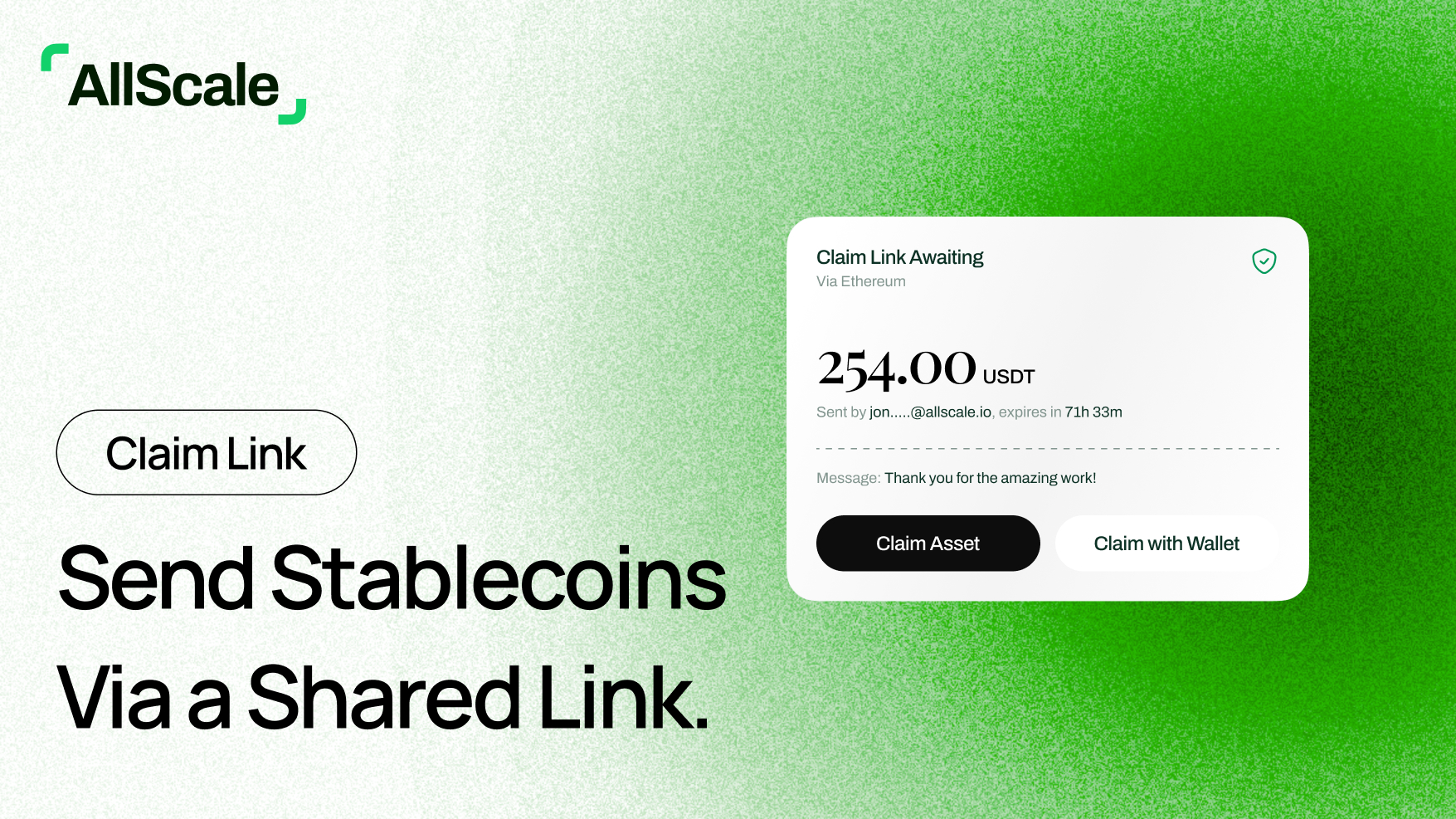
AllScale facilitates seamless invoicing with stablecoin payments by providing tools that simplify the payment process. Users can generate invoices that include stablecoin payment options, allowing clients to pay instantly without the need for traditional banking methods. This capability not only enhances the payment experience but also ensures transparency in pricing, as stablecoin transactions are recorded on the blockchain, providing a clear audit trail. By streamlining the invoicing process, AllScale helps businesses improve their cash flow and reduce the time spent on invoice collection.
What Security and Compliance Measures Ensure Safe Real-Time Stablecoin Transactions?
Security and compliance are critical components of real-time stablecoin transactions. To ensure safe transactions, several measures are implemented:
- Regulatory Coverage Across Jurisdictions: Adhering to relevant standards in each operating jurisdiction helps reduce compliance and legal risks for stablecoin invoicing and payroll.
- Expert Team: A knowledgeable team oversees transaction processes, ensuring adherence to best practices.
- Real-Time Settlement: The use of blockchain technology allows for immediate transaction verification, enhancing security.
These measures collectively contribute to a secure environment for stablecoin transactions, fostering trust among users.
How Does Blockchain Technology Enhance Payment Security?
Blockchain technology enhances payment security by providing a decentralized and transparent ledger for all transactions. Each transaction is recorded on the blockchain, making it immutable and easily auditable. This transparency helps prevent fraud and ensures that all parties involved in a transaction can verify its authenticity. Additionally, the use of cryptographic techniques in blockchain technology protects sensitive information, further enhancing the security of payment systems. As a result, businesses and consumers can engage in transactions with confidence, knowing that their data is secure.
What Regulatory Considerations Impact Stablecoin Payment Adoption?
Regulatory considerations play a significant role in the adoption of stablecoin payments. As governments and financial institutions grapple with the implications of digital currencies, regulatory frameworks are evolving to address concerns related to consumer protection, anti-money laundering (AML), and taxation. The uncertainty surrounding regulations can create barriers to adoption, as businesses may hesitate to integrate stablecoin payments without clear guidelines. However, as regulatory clarity improves, the potential for stablecoin adoption in mainstream finance will likely increase, paving the way for broader acceptance and use.
How Do Real-Time Stablecoin Settlements Compare to Traditional Cross-Border Payment Methods?
Real-time stablecoin settlements offer several advantages over traditional cross-border payment methods, including:
- Cost Efficiency: Stablecoin transactions typically incur lower fees compared to traditional banking methods, which often involve multiple intermediaries.
- Settlement Speed: While traditional methods can take days to process, stablecoin transactions can be completed in minutes.
- Chargeback Risk: The use of blockchain technology reduces the risk of chargebacks, providing greater security for businesses.
These advantages position stablecoins as a compelling alternative to traditional payment methods, particularly for businesses engaged in international trade.
What Are the Transaction Speed Differences Between Crypto and Traditional Systems?
Transaction speed is a critical factor in payment processing, and stablecoins significantly outperform traditional systems. While traditional bank transfers can take anywhere from a few hours to several days, stablecoin transactions are typically settled within minutes. This speed is particularly advantageous for businesses that require immediate access to funds for operational purposes. The ability to conduct transactions quickly and efficiently is a key benefit of using stablecoins, making them an attractive option for modern financial transactions.
How Do Cost and Transparency Compare in Stablecoin vs. Bank Transfers?
When comparing costs and transparency between stablecoin transactions and traditional bank transfers, several key differences emerge:
- Cost Differences: Stablecoin transactions generally incur lower fees due to the elimination of intermediaries, while bank transfers often involve multiple charges.
- Transparency in Fees: Stablecoin transactions are recorded on a public ledger, providing clear visibility into transaction costs, whereas bank fees can be opaque and vary widely.
- User Trust: The transparency of stablecoin transactions fosters greater trust among users, as they can easily verify transaction details.
These factors highlight the advantages of stablecoins in terms of cost-effectiveness and transparency, making them a preferred choice for many businesses.
Frequently Asked Questions
What types of stablecoins are available, and how do they differ?
Stablecoins can be categorized into three main types: fiat-collateralized, crypto-collateralized, and algorithmic stablecoins. Fiat-collateralized stablecoins are backed by reserves of traditional currencies, ensuring a 1:1 peg. Crypto-collateralized stablecoins use other cryptocurrencies as collateral, often over-collateralized to account for volatility. Algorithmic stablecoins, on the other hand, use smart contracts to manage supply and demand, adjusting the number of coins in circulation to maintain price stability. Each type has its own advantages and risks, influencing their use in various applications.
How do stablecoins impact the future of e-commerce?
Stablecoins are poised to revolutionize e-commerce by enabling faster, cheaper, and more secure transactions. Their ability to facilitate instant payments can enhance customer experiences, reducing cart abandonment rates. Additionally, stablecoins can support micropayments, allowing businesses to offer new pricing models and services. As more e-commerce platforms integrate stablecoin payment options, we can expect increased adoption, leading to a more efficient and accessible online shopping environment. This shift could also encourage global commerce by simplifying cross-border transactions.
What challenges do businesses face when adopting stablecoin payments?
While stablecoin payments offer numerous benefits, businesses may encounter several challenges during adoption. Regulatory uncertainty is a significant concern, as varying laws across jurisdictions can complicate compliance. Additionally, businesses must invest in technology and training to integrate stablecoin systems effectively. There may also be resistance from customers unfamiliar with cryptocurrencies, necessitating educational efforts. Finally, ensuring security against potential cyber threats is crucial, as any breach could undermine trust in the payment system.
How do stablecoins facilitate financial inclusion?
Stablecoins can significantly enhance financial inclusion by providing access to financial services for unbanked and underbanked populations. With just a smartphone and internet connection, individuals can participate in the global economy without needing a traditional bank account. Stablecoins enable low-cost transactions, making it feasible for users to send and receive money across borders. Furthermore, they can help individuals in volatile economies protect their savings from inflation, offering a stable alternative to local currencies.
What role do stablecoins play in decentralized finance (DeFi)?
Stablecoins are integral to the decentralized finance (DeFi) ecosystem, serving as a stable medium of exchange and a unit of account. They facilitate lending, borrowing, and trading on decentralized platforms without the volatility associated with traditional cryptocurrencies. By providing liquidity and enabling users to earn interest on their holdings, stablecoins enhance the functionality of DeFi applications. Their stability also attracts traditional investors looking to explore DeFi opportunities while minimizing risk, further driving the growth of this innovative financial sector.
How can businesses ensure compliance when using stablecoins?
To ensure compliance when using stablecoins, businesses should stay informed about the evolving regulatory landscape and implement robust compliance frameworks. This includes conducting thorough due diligence on stablecoin providers, understanding anti-money laundering (AML) and know-your-customer (KYC) requirements, and maintaining transparent records of transactions. Engaging legal and financial experts can help navigate complex regulations. Additionally, businesses should adopt best practices for cybersecurity to protect against fraud and data breaches, further enhancing compliance and trust in their payment systems.