

Stablecoin invoices can simplify payments for businesses and freelancers. This guide shows how to use AllScale — a crypto-native financial platform for invoicing, payroll, and checkout — to create professional secure stablecoin invoices. You’ll learn the benefits of stablecoin payments, the core features of AllScale’s invoicing tools, and practical steps and best practices for implementation. As digital payments grow, knowing how to use stablecoins can speed operations and reduce transaction costs.
We’ll cover: an overview of crypto invoicing solutions, AllScale’s key features, best practices for stablecoin invoicing, step-by-step setup, and the advantages for SMEs and freelancers. By the end, you’ll have a clear, actionable process for creating and managing stablecoin invoices.
Crypto Invoicing Solutions
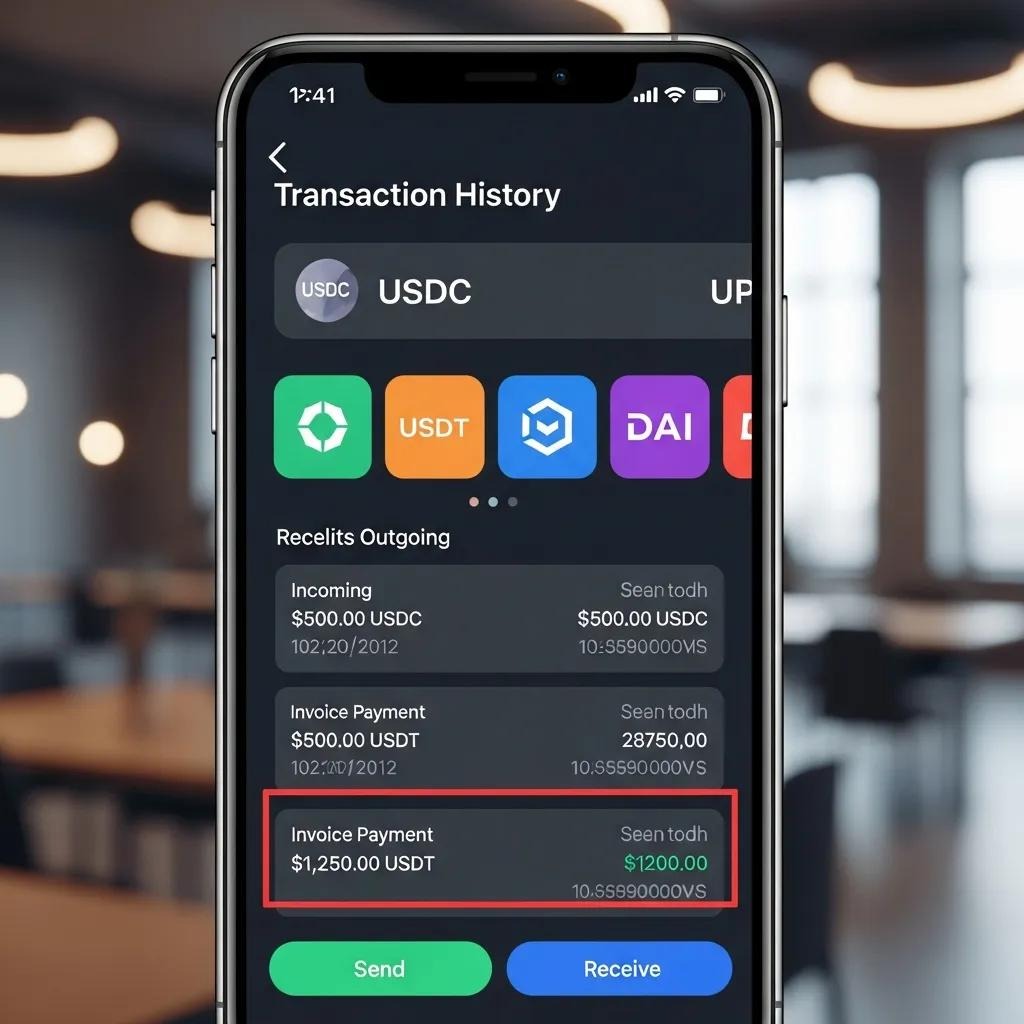
AllScale Pay introduction provides a focused platform for issuing invoices paid in stablecoins. This approach reduces dependence on traditional banks and enables faster, more predictable transfers. Built on blockchain, AllScale keeps transactions secure and transparent — which is essential for trustworthy financial records. Its clean, user-friendly interface makes invoicing straightforward for businesses of all sizes.
Key Features
AllScale’s invoicing tools include features designed to speed payments and cut administrative work:
- Invoicing Automation: Automate invoice creation and delivery to reduce manual mistakes and save time.
- Stablecoin and Fiat Support: Accept stablecoins alongside fiat so clients can pay in the currency they prefer.
- Transparent Pricing: Clear, predictable fees so you understand costs up front. See AllScale pricing for details.
Together, these features let teams spend less time on admin and more on their core work.
Best Practices
To get the most from stablecoin invoicing, follow these practical steps:
- Utilize Built-in AML Features: Use AllScale’s AML tools to help maintain compliance. Learn more in the AllScale FAQ.
- Leverage Integrated Financial Infrastructure: Connect AllScale to your banking, payroll, and bookkeeping systems to remove friction. Explore AllScale payroll integration options.
- Regular Training for Staff: Train your team regularly so everyone handles payments and compliance correctly.
Applying these practices improves reliability and reduces operational risk.
Implementation Steps
Setting up stablecoin invoicing in AllScale is simple. Follow these steps:
- Create an Account on AllScale: Register for an AllScale account to access invoicing features.
- Set Up Your Wallet: Link and configure your digital wallet to receive stablecoin payments.
- Generate Invoices: Create, customize, and send invoices that match your billing needs using the AllScale invoice software.
Complete these steps to start issuing professional stablecoin invoices quickly and reliably.
Why Choose Stablecoins for Professional Invoicing?
Stablecoins bring clear benefits for invoicing:
- Price Stability: Pegged to stable assets, they reduce volatility compared with other cryptocurrencies.
- Transaction Efficiency: Payments settle quickly — often in near real-time — improving cash flow.
- Lower Fees: Network and processing fees are often lower than traditional bank fees.
Those advantages make stablecoins a strong option for businesses aiming for smoother billing.
What Are Stablecoins and How Do They Work?
Stablecoins are cryptocurrencies tied to reserves such as fiat currencies or commodities. That peg reduces the price swings typical of other crypto, letting businesses use digital payments with predictable value and secure settlement.
Benefits of Stablecoin Payments for SMEs and Freelancers
SMEs and freelancers gain several practical advantages from stablecoin payments:
- Lower Transaction Fees: Often cheaper than many traditional payment methods.
- Faster Settlement Times: Near-instant settlement improves cash flow management.
- Global Reach: Easier cross-border payments without the friction of currency conversion.
These benefits free up time and cash so you can focus on growth and service delivery.
How to Create a Crypto Invoice Using AllScale Invoice Software?
Creating a crypto invoice with AllScale is straightforward:
- Create an Account: Sign up for an AllScale account to get started.
- Set Up Invoicing Preferences: Configure your billing settings, currency options, and payment terms.
- Generate and Share Invoices: Build invoices, attach details, and send them to clients via email or direct links using the AllScale invoicing platform.
Following this process helps you manage billing efficiently while accepting stablecoin payments.
How to Customize and Manage Digital Invoice Templates on AllScale?
Personalize invoice templates to reflect your brand — choose colors, add a logo, and set layouts. Templates are easy to edit so your invoices stay current and professional.
How to Automate Invoice Tracking and Payment Status Updates
Automate tracking and payment notifications to save time and reduce errors. AllScale lets you set alerts for payment statuses and push updates into your accounting tools in real time.
How to Integrate Stablecoin Invoices with Payroll and Accounting Systems?
Connect invoicing with payroll and accounting to keep records accurate. AllScale supports payroll setup, transaction tracking, and compliance workflows so your financial data stays synchronized. Learn more about integration in the AllScale documentation.
What Are the Compliance and Legal Considerations for Crypto Billing?
Using stablecoins requires attention to compliance — AML, KYC, and local regulations. Keep policies documented, monitor transactions, and stay current with rules to ensure your invoicing meets legal requirements.
Are Crypto Invoices Legally Valid?
When using a digital asset billing platform or a crypto invoice generator, businesses must remain aware of the evolving regulatory landscape surrounding digital payments. In many jurisdictions, crypto invoices are legally valid when they follow local regulations. Enforceability depends on regional laws and contract terms; consult legal counsel to confirm compliance in your area.
What Best Practices Ensure Stablecoin Invoice Compliance?
To keep stablecoin invoicing compliant, follow these best practices:
- Implement AML and KYC Procedures: Use robust client verification and transaction monitoring.
- Track Transactions Effectively: Maintain precise records with AllScale’s tracking tools.
- Regular Training for Staff: Keep your team informed about compliance updates and procedures.
Together, these steps reduce legal and financial risk when billing with stablecoins.
Where Can You Find Case Studies and Success Stories Using AllScale?
Visit AllScale’s blog and knowledge base for case studies and customer stories that show real-world deployments and measurable outcomes from stablecoin invoicing.
How Have SMEs and Web3 Teams Benefited from Stablecoin Invoicing?
SMEs and Web3 teams report clear wins from stablecoin invoicing, such as:
- Faster Settlements: Shorter payment timelines improve working capital.
- Lower Fees: Reduced transaction costs help margins.
- Simplified Reconciliation: Blockchain transparency makes bookkeeping and reconciliation easier.
These results explain why many teams are adopting stablecoin invoices.
What Efficiency Gains Do AllScale Users Report?
AllScale users commonly report measurable efficiency improvements, including:
- Reduced Transaction Costs: Lower fees for payment processing.
- Improved Cash Flow Visibility: Real-time tracking gives clearer financial oversight.
- Fewer Errors in Accounting: Automation and consistent data reduce manual mistakes.
These improvements show how AllScale’s invoicing tools cut overhead and reduce errors.
Frequently Asked Questions
What types of businesses can benefit from using stablecoin invoices?
Stablecoin invoices suit many businesses: freelancers who want faster payments and lower fees, SMEs handling cross-border sales, and tech or e-commerce companies that already work with digital assets. Any business that values speed, lower costs, and predictable settlement can benefit.
How do stablecoin invoices compare to traditional invoicing methods?
Stablecoin invoices often beat traditional methods on speed, cost, and predictability. Payments can clear much faster than bank transfers, fees are frequently lower, and the peg to stable assets reduces value volatility compared with other cryptocurrencies.
What security measures are in place for stablecoin transactions?
Stablecoin transactions rely on blockchain for an immutable transaction record. Platforms like AllScale add layers of protection — encryption, two-factor authentication, and compliance controls — to protect funds and user data.
Can stablecoin invoices be integrated with existing accounting software?
Yes. Many platforms, including AllScale, offer integrations with popular accounting systems so you can automate bookkeeping, sync transaction data, and keep financial records accurate.
What are the tax implications of using stablecoin invoices?
Tax rules vary by jurisdiction, but income received in stablecoins generally needs to be reported like other revenue. Keep accurate records of the stablecoin’s value at receipt and consult a tax professional familiar with cryptocurrency in your jurisdiction.
How can businesses ensure compliance with regulations when using stablecoin invoices?
Ensure compliance by implementing strong AML and KYC processes, monitoring transactions for suspicious activity, maintaining clear records, and training staff on regulatory requirements. Staying informed about local rules and updating procedures as laws change is also essential.