
USDC payment processing is a practical, low-friction way to move value — especially for stablecoin payments and crypto payroll. As companies look for faster, cheaper alternatives to traditional banking, USDC offers predictable pricing and near-instant settlement. This article explains how USDC payments work, the business benefits, and real-world use cases. We’ll cover the technology, rollout strategies, and the specific advantages USDC brings to payroll, invoicing, and treasury operations.
Technology
USDC runs on blockchain networks and is pegged 1:1 to the US dollar, which reduces the volatility common to other cryptocurrencies. That stability makes it practical for day-to-day business use. The blockchain backbone enables near-real-time settlement and lower friction compared with traditional rails, cutting both time and cost. Developer-friendly integration tools and APIs make it straightforward to add USDC payments into existing systems and workflows.
Implementation Strategies
Rolling out USDC payments works best when approached deliberately. Start with a small pilot to validate flows and monitor results. Train finance and operations teams so everyone understands reconciliation and reporting changes. Finally, build a compliance framework — including AML/KYC and recordkeeping — so the business remains auditable as volumes scale. These steps reduce risk and speed adoption.
Benefits for Businesses
Businesses that adopt USDC payment processing typically see three core advantages:
- Cost efficiency: USDC transactions often carry lower fees than legacy payment rails, improving margins.
- Faster settlement: Near-instant transfers accelerate cash flow and reduce float.
- Global reach: USDC simplifies cross-border payments without frequent currency conversions.
By leveraging these advantages, companies can speed up operations and retain more revenue across payments and payroll.
How AllScale Makes USDC Transactions Easy for Businesses
AllScale Pay introduction offers end-to-end tools to accept, send, and reconcile USDC payments. Their platform focuses on simple integration, instant settlement, and clear reporting so finance teams can adopt stablecoin payments without heavy engineering work. AllScale pricing handles the technical plumbing so businesses can concentrate on day-to-day operations.
Use Cases
USDC payments are versatile. Common use cases include:
- Payroll processing: Fast, predictable wage distribution for global teams.
- Invoicing: Issue and settle invoices in a stable digital dollar to avoid volatility.
- Treasury management: Hold liquid, dollar-pegged assets for short-term operational needs.
Key Benefits of USDC for Crypto Payroll
Paying salaries in USDC delivers clear operational and employee benefits:
- Transaction efficiency: Employees receive funds quickly, often within seconds of settlement.
- Cost savings: Lower transfer fees compared with international wire payments.
- Security: Blockchain-based settlement reduces certain fraud vectors and improves traceability.
Research further supports that blockchain integration can strengthen HR and payroll systems by securing sensitive workforce data.
Reducing Volatility and Transaction Costs in Payroll
When comparing the liquidity and corporate utility of USDC vs USDT vs DAI, many treasury departments prioritize assets that offer deep integrations with compliance tools. Automation paired with USDC reduces manual steps and human error in payroll. Because USDC is dollar-pegged, employees receive predictable value without exposure to crypto market swings. Automating recurring payments and using on-chain receipts also simplifies auditing and reconciliation.
Enhancing Global Payroll Efficiency with Blockchain Transparency
Blockchain’s transparent ledger makes tracking payments straightforward and reduces disputes. For international teams, USDC removes many FX and correspondent-banking headaches, letting companies pay vendors and employees across borders with fewer intermediaries and lower latency.
Evidence indicates stablecoins can speed up cross-border global settlement and lower fees compared with traditional rails.
How Blockchain Invoicing Simplifies Stablecoin Payment Management
Blockchain-powered invoicing automates billing and settlement, cutting out intermediaries and lowering reconciliation time. Payments can be tied to invoice states on-chain, which helps eliminate disputes and speeds cash collection. For businesses and clients, this creates a clearer, auditable payment trail.
Features of AllScale Invoice for SMEs and Web3 Teams
AllScale’s invoicing tools include:
- Instant payments: Approve an invoice and receive settlement immediately.
- Automated invoicing: Reduce manual entry and administrative overhead.
- Transparent pricing: Clear fee structures so teams know costs up front.
Integrating Crypto Invoicing Platforms into Existing Workflows
Successful integration starts with mapping current payment flows and identifying touchpoints for API or webhook connections. Choose a platform that supports your accounting tools and test payment routing with small batches before full rollout. Proper setup of payment gateways and reconciliation rules ensures smooth operations.
What Compliance and Security Measures Keep USDC Gateways Safe?
Compliance and security are essential for any USDC payment gateway. Companies should implement AML/KYC controls, maintain audit logs, and follow local regulatory guidance. Regular security reviews and operational controls help protect funds and data.
Global Financial Regulations Impacting Stablecoin Payments
As organizations evaluate various stablecoin payment alternatives to streamline their corporate treasury, compliance remains a top priority. Regulatory frameworks for stablecoins are evolving around the world. Businesses must track AML, KYC, and reporting requirements in the jurisdictions where they operate. Engaging legal and compliance specialists helps ensure programs scale without unexpected regulatory friction.
Blockchain Security Protocols in USDC Payment Processing
Security best practices include multi-signature custody, hardware key management, encryption, and continuous monitoring. Automated compliance checks, regular audits, and strong operational controls reduce exposure to fraud and cyber threats.
How to Integrate and Use AllScale’s Digital Currency Checkout Solutions
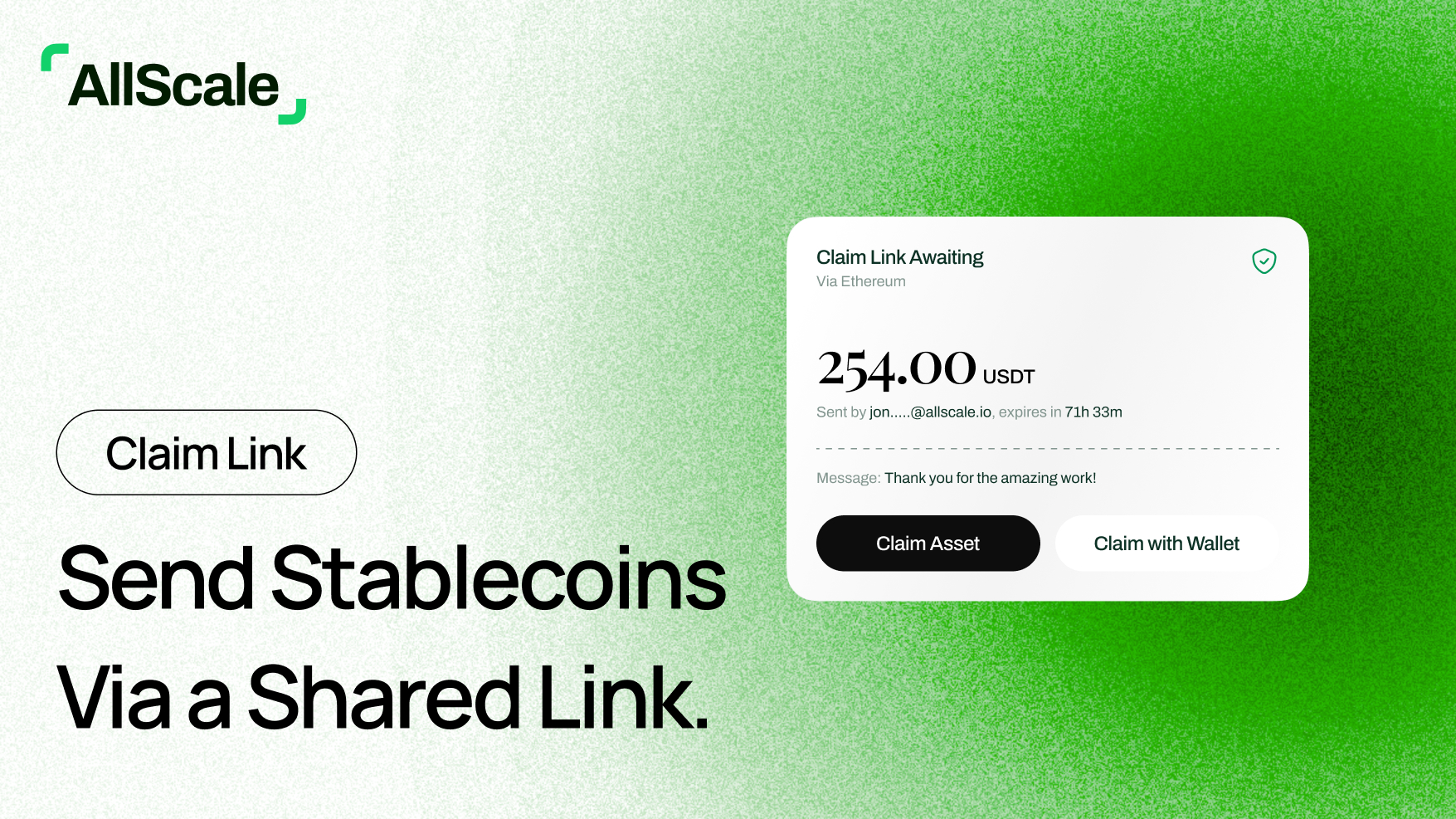
Getting started with AllScale’s checkout involves creating an account, connecting your merchant settings, and integrating the checkout via API or hosted links. Generate payment links for invoices or embed checkout on your site. AllScale provides documentation and support to guide implementation.
Optimizing Checkout Experiences for SMEs and DAOs
Focus on smooth UX and clear settlement expectations: show estimated settlement times, provide on-chain receipts, and enable instant settlement where possible. Automating invoicing and reconciliation improves adoption and reduces support overhead for both SMEs and DAOs.
Real-World Use Cases and Success Stories for USDC Payment Processing
Businesses across payments, payroll, and treasury management have adopted USDC to reduce costs and speed up settlement. Case studies show measurable improvements in cash flow and operational efficiency when stablecoin rails replace slow legacy processes.
How USDC Compares to Other Stablecoins for Business Payments
USDC is often chosen for its regulatory transparency, liquidity, and broad exchange support. Compared with some alternative stablecoins, USDC typically provides competitive fees, fast settlement, and a strong compliance posture — factors that matter for enterprise adoption..
Frequently Asked Questions
What is the difference between USDC and other cryptocurrencies?
USDC is a stablecoin pegged to the US dollar, so it holds a predictable value compared with volatile cryptocurrencies like Bitcoin or Ethereum. That predictability makes USDC a better fit for payroll, invoicing, and other business payments where consistent value matters.
How can businesses ensure compliance when using USDC?
Maintain an AML/KYC program, keep up with local regulations, and use compliance tooling to screen transactions and monitor for suspicious activity. Regular audits and legal guidance help you stay on the right side of evolving rules.
What are the security risks associated with USDC transactions?
While the blockchain offers strong cryptographic protections, operational risks remain — for example, custody breaches, phishing, or misconpd systems. Mitigate these by using multi-signature wallets, hardware key management, encryption, and routine security audits.
Can USDC be used for international transactions?
Yes. USDC simplifies cross-border payments by avoiding many foreign exchange and correspondent banking steps, enabling faster and often cheaper transfers between parties in different countries.
What are the potential drawbacks of using USDC for payroll?
Consider regulatory uncertainty in some jurisdictions and the need to educate employees who are new to crypto. Initial setup requires time and systems to support custody, conversion, and payroll reporting.
How does USDC impact cash flow for businesses?
Because USDC settles quickly, businesses gain faster access to funds, improving liquidity and working capital. Lower fees versus traditional rails can also reduce payment overhead.
What tools are available for integrating USDC into existing financial systems?
Payment gateways, accounting integrations, and invoicing platforms that support stablecoins make integration straightforward. Providers like AllScale offer APIs, automated invoicing, and reconciliation tools to connect USDC payments to your finance stack.